



According to PAGASA, the Philippines may experience increased rainfall due to the potential return of La Niña, a climate pattern associated with stronger storms, flooding, and prolonged wet conditions. This makes effective water management a priority for residential, commercial, and agricultural sectors.
Understanding Rainwater Harvesting Systems
A rainwater harvesting system is designed to collect, filter, store, and reuse rainwater for domestic, agricultural, and industrial applications.
Key Components of an Effective System
- Catchment Area
Roofs or paved surfaces where rainwater is collected.

- Conveyance System
Gutters and downpipes that direct water into storage.
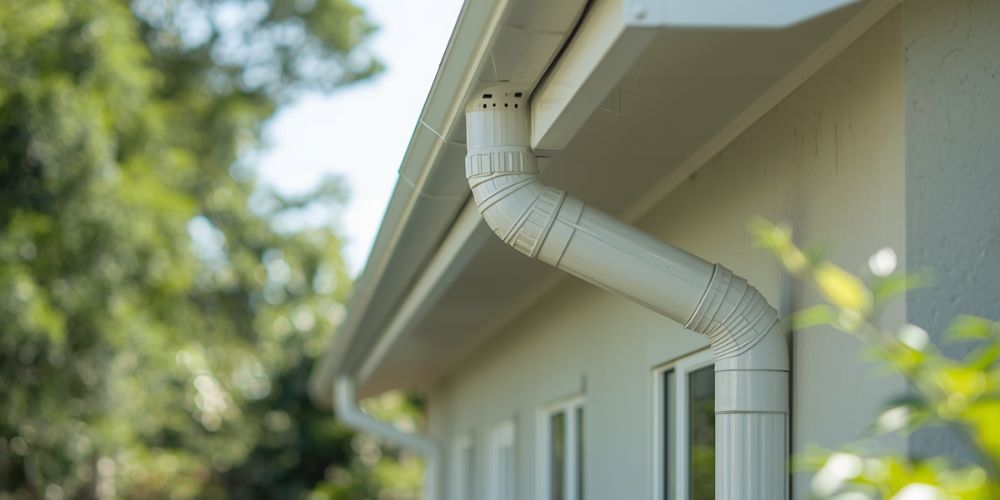
- First Flush Diverter
Removes initial contaminants such as dust and debris.
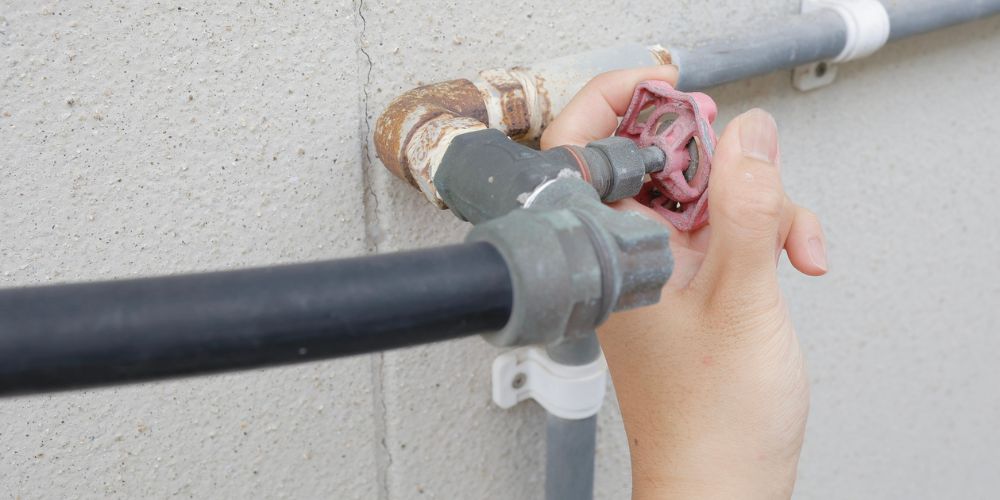
- Filtration System
Helps improve water quality before storage.
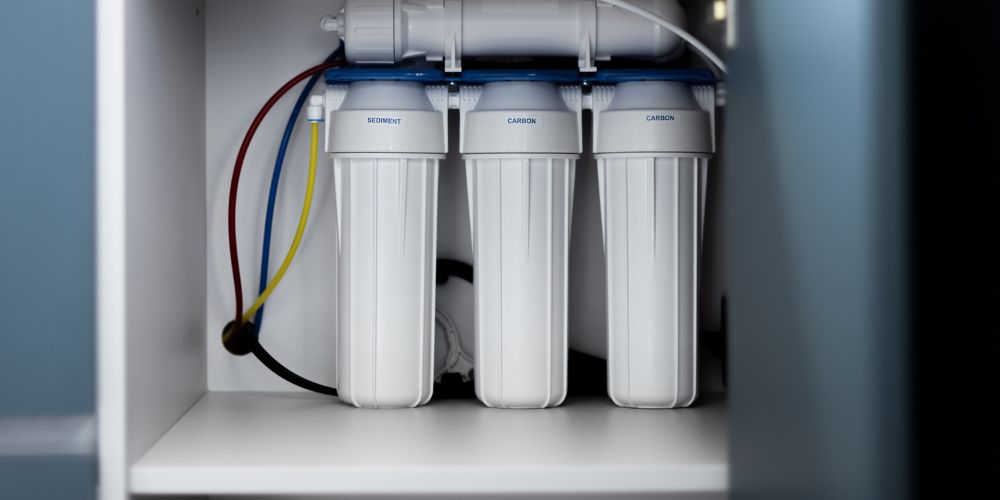
- Storage Tank
Stores collected water safely for future use.
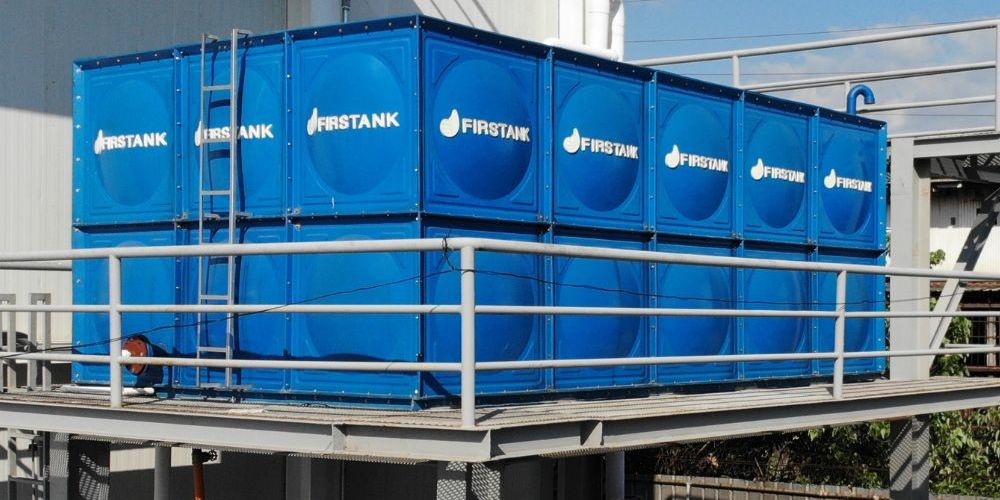
- Distribution System
Pumps or gravity-fed systems deliver water where needed.
Why Rainwater Harvesting Matters
Rainwater harvesting systems are designed to collect, store, and reuse rainwater, helping reduce flood risks while improving water availability.
During heavy rainfall, capturing water at the source helps minimize surface runoff and reduces pressure on drainage systems. At the same time, stored rainwater can be reused for non-potable applications such as cleaning, irrigation, and industrial use. With proper treatment, it can also support domestic needs, as supported by the World Health Organization guidelines on safe water reuse.
How Much Water Can You Collect?
The amount of rainwater collected depends on roof area, rainfall, and system efficiency. Standard systems typically operate at 70 to 90 percent efficiency.
In the Philippine context, a 100 sqm roof can collect approximately 50,000 to 70,000 liters annually based on average rainfall levels. This demonstrates the importance of proper system design and adequate storage capacity.
The Importance of Storage Systems
Storage tanks are the core component of any rainwater harvesting system. Without proper storage, collected water may be lost, contaminated, or overflow during peak rainfall.
Reliable systems should be:
- Durable under extreme weather conditions
- Leak-resistant and hygienic
- Scalable depending on demand
Standards from International Organization for Standardization emphasize the need for resilient water infrastructure, especially in climate-affected regions.
Firstank provides engineered water storage solutions designed for Philippine conditions, supporting residential, commercial, and industrial applications.
Key takeaways:
Rainwater harvesting turns excess rainfall into a valuable resource. It supports flood control, enhances water security, and strengthens resilience against climate variability.For engineered storage solutions and system support, visit Firstank.com.
Sources
https://bagong.pagasa.dost.gov.ph/climate/climate-outlook
https://www.epa.gov/soakuptherain/soak-rain-rain-barrels
https://www.who.int/publications/i/item/9789241549950
https://www.twdb.texas.gov/innovativewater/rainwater/docs/RainwaterHarvestingManual_3rdedition.pdf
https://climateknowledgeportal.worldbank.org/country/philippines/climate-data-historical
https://www.iso.org/standard/51927.html
https://www.unep.org/resources/report/rainwater-harvesting


